Follow these 4 key steps to effectively improve your credit score and unlock better financial opportunities.
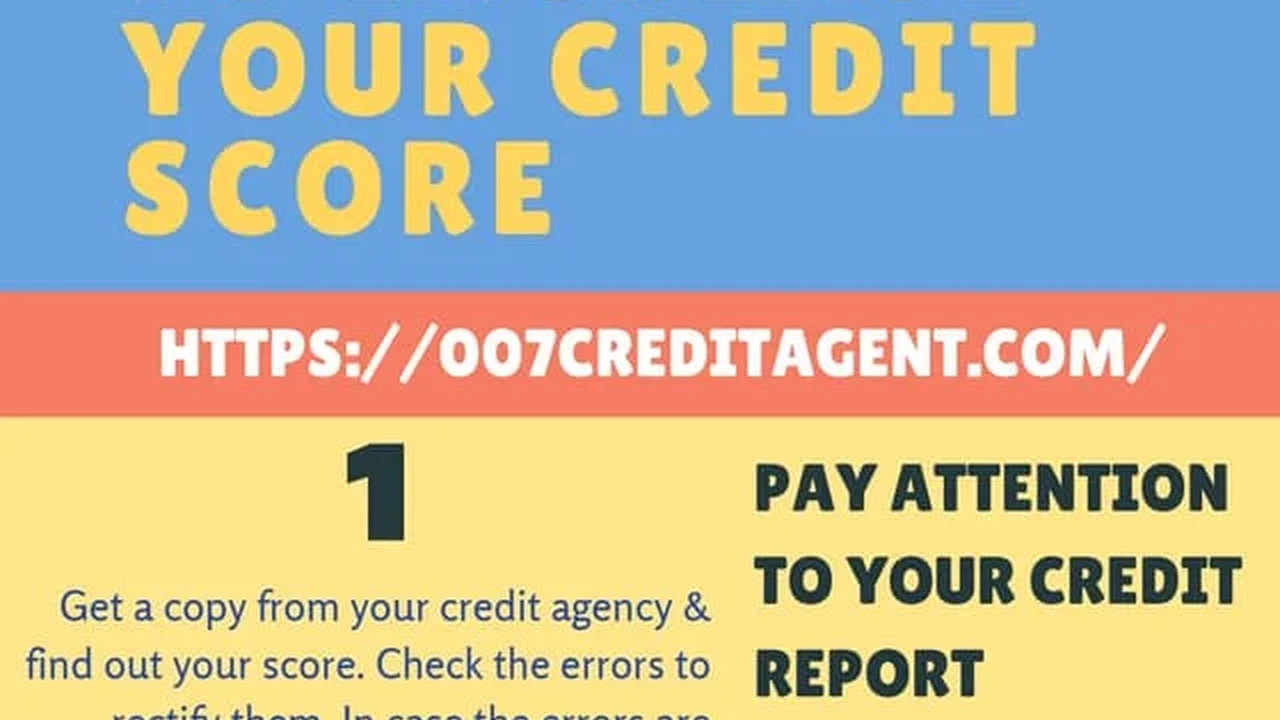 Follow these 4 key steps to effectively improve your credit score and unlock better financial opportunities.
How to Improve Your Credit Score 4 Key Steps
Hey there, ever feel like your credit score is this mysterious number that dictates your financial life? You're not alone. For many, understanding and improving their credit score feels like cracking a secret code. But it doesn't have to be that way. Your credit score, whether it's FICO or VantageScore, is essentially a report card on how well you manage borrowed money. A good score opens doors to better interest rates on loans, easier approval for credit cards, and even smoother rental applications. A low score, on the other hand, can make life a bit tougher financially. The good news? You have the power to change it. This isn't some fixed number; it's dynamic, and with a few strategic moves, you can absolutely boost it. We're talking about practical, actionable steps that anyone can take, regardless of where they're starting from. So, let's dive into the four key steps that will put you on the path to a healthier credit score and a brighter financial future.
Understanding Your Credit Score What It Is and Why It Matters
Before we jump into fixing things, let's get a clear picture of what a credit score actually is. Think of it as a three-digit number, usually ranging from 300 to 850, that lenders use to assess your creditworthiness. The higher the number, the less risky you appear to lenders. This score is calculated based on information in your credit report, which is a detailed history of your borrowing and repayment activities. Key factors include your payment history, amounts owed, length of credit history, new credit, and credit mix. Why does it matter so much? Well, it influences almost every major financial decision you'll make. Want to buy a house? Your mortgage interest rate will be heavily influenced by your credit score. Looking to finance a car? A good score means lower monthly payments. Even renting an apartment or getting a new cell phone plan can depend on it. It's not just about getting approved; it's about getting the best terms. A few points difference can literally save you thousands of dollars over the life of a loan. So, understanding this number and actively working to improve it is a fundamental step towards financial well-being.
Step 1 Pay Your Bills On Time Every Time The Foundation of Good Credit
This might sound obvious, but seriously, paying your bills on time is the single most important factor in your credit score. It accounts for about 35% of your FICO score. Lenders want to see that you're responsible and reliable. A single late payment, especially if it's more than 30 days past due, can significantly ding your score and stay on your report for up to seven years. It's a big red flag for potential lenders. So, how do you ensure you're always on time? Automation is your best friend here. Set up automatic payments for all your bills – credit cards, loans, utilities, rent, everything. Most banks and creditors offer this service, and it takes the guesswork and stress out of remembering due dates. If you're worried about overdrafts, set up alerts to notify you when your balance is low. Another great strategy is to pay more than the minimum due, especially on credit cards. While not directly impacting your payment history, it helps reduce your overall debt, which ties into the next step. Consider using budgeting apps like Mint or You Need A Budget (YNAB) to keep track of your finances and upcoming bills. Mint is free and offers a comprehensive overview of your accounts, while YNAB (around $14.99/month or $99/year) is a more hands-on budgeting tool that helps you assign every dollar a job, making sure you have funds available for your bills. For those who prefer a simpler approach, even setting up calendar reminders on your phone can be incredibly effective. The goal is to make late payments a thing of the past. Consistency is key here; building a long history of on-time payments will steadily improve your score over time.
Step 2 Keep Your Credit Utilization Low Manage Your Debt Wisely
This is another huge one, accounting for about 30% of your FICO score. Credit utilization refers to how much of your available credit you're actually using. For example, if you have a credit card with a $10,000 limit and you've charged $3,000, your utilization is 30%. The golden rule here is to keep your utilization below 30% across all your credit cards. Lower is always better, with the absolute best scores often seen when utilization is below 10%. Why is this so important? High utilization signals to lenders that you might be over-reliant on credit or struggling financially, making you a higher risk. So, how do you lower it? First, pay down your balances. Focus on cards with the highest utilization first. If you can't pay them off completely, try to make multiple payments throughout the month instead of just one large payment at the end. This can help keep your reported balance lower. Second, avoid closing old credit card accounts, even if you don't use them. Closing an account reduces your total available credit, which can instantly increase your utilization ratio. Third, consider asking for a credit limit increase on your existing cards, but only if you trust yourself not to spend more. A higher limit with the same balance will automatically lower your utilization. For example, if you have a $5,000 limit and a $2,000 balance (40% utilization), getting your limit increased to $10,000 with the same $2,000 balance brings your utilization down to 20%. Be cautious with this strategy; only do it if you're disciplined with your spending. Some popular credit cards known for offering good credit limit increases over time include the Chase Freedom Unlimited (no annual fee, 1.5% cash back on all purchases) and the Discover it Cash Back (no annual fee, rotating 5% cash back categories). These cards are generally good for building credit due to their rewards and customer service, making them good candidates for responsible credit limit management. Remember, it's not just about the total amount of debt, but the proportion of debt to your available credit.
Step 3 Build a Long Credit History and Diversify Your Credit Mix Patience and Strategy
The length of your credit history makes up about 15% of your FICO score. Lenders like to see a long track record of responsible credit use. This means the older your accounts, the better. This is why it's generally advised not to close your oldest credit card accounts, even if they have no annual fee and you rarely use them. They act as a historical anchor for your credit report. If you're new to credit, this step requires patience. Start by getting a secured credit card or becoming an authorized user on a trusted family member's account. A secured credit card, like the Discover it Secured Credit Card (no annual fee, requires a security deposit, offers cash back), is a great way to build credit if you have little to no history. You put down a deposit, which becomes your credit limit, and then you use it like a regular credit card. Your payments are reported to credit bureaus, helping you build a positive history. After a few months of responsible use, many secured cards can transition to unsecured cards. Being an authorized user on someone else's well-managed account can also help, as their positive payment history can reflect on your report. Just make sure the primary account holder is responsible! The credit mix, which accounts for about 10% of your score, refers to the different types of credit you have. This could include credit cards, installment loans (like car loans or student loans), and mortgages. Lenders prefer to see that you can handle different types of credit responsibly. This doesn't mean you should go out and take on unnecessary debt, but as you naturally acquire different types of loans over your lifetime, managing them well will positively impact this factor. For instance, if you have a credit card and then take out a car loan, managing both responsibly shows versatility in your credit management. Don't open new accounts just for the sake of diversity; let it happen organically as your financial needs evolve. The key is to demonstrate consistent, responsible behavior across various credit products over time.
Step 4 Check Your Credit Report Regularly Spotting Errors and Protecting Your Score
This step is crucial and often overlooked. Your credit report is the foundation of your credit score, and errors can occur. These errors, even small ones, can negatively impact your score. You're entitled to a free copy of your credit report from each of the three major credit bureaus (Experian, Equifax, and TransUnion) once every 12 months. The official website to get these reports is AnnualCreditReport.com. It's the only truly free and authorized source. When you get your reports, review them meticulously. Look for any accounts you don't recognize, incorrect payment statuses, wrong balances, or outdated information. Even a misspelled name or incorrect address can be a red flag. If you find an error, dispute it immediately with both the credit bureau and the creditor. The Fair Credit Reporting Act (FCRA) requires credit bureaus to investigate disputes and correct inaccurate information. This process can take some time, but it's worth it. Beyond errors, regularly checking your report also helps you spot potential identity theft. If someone opens accounts in your name, it will show up on your report, and catching it early can prevent significant financial damage. Many credit card companies and banks now offer free credit score monitoring services, which can be a convenient way to keep an eye on your score and get alerts for significant changes. For example, Credit Karma (free) provides VantageScore credit scores from TransUnion and Equifax, along with credit monitoring and insights. While it's not a FICO score, it gives you a good general idea of your credit health and alerts you to changes. Experian also offers a free FICO score and credit report monitoring directly through their website. These tools are fantastic for staying informed and proactive about your credit health. Think of it as a regular financial check-up; catching issues early can save you a lot of headaches down the line.
Beyond the Four Steps Advanced Tips for Credit Optimization
While the four core steps are the bedrock of credit improvement, there are a few advanced strategies you can consider once you've mastered the basics. One often-discussed tactic is becoming an authorized user on a credit card with a long, positive history. As mentioned before, this can be a quick boost, but only if the primary cardholder is extremely responsible. Their good habits become part of your credit history. Another strategy is to consider a credit-builder loan. These are small loans designed specifically to help people establish or rebuild credit. You make payments into a savings account, and once the loan is paid off, you get access to the money. The payments are reported to credit bureaus, building your payment history. Institutions like Self (formerly Self Lender) offer these types of loans, typically ranging from $500 to $2,000, with terms from 12 to 24 months. The interest rates can vary, but the primary benefit is the credit-building aspect. For example, a $500 credit builder loan over 12 months might have a monthly payment of around $45, with a small interest charge. The key is that these payments are reported, helping to establish a positive payment history. Another less common but effective method is to negotiate with creditors. If you have old, charged-off accounts or collections, sometimes you can negotiate a 'pay for delete' agreement, where the negative mark is removed from your report in exchange for payment. This is not guaranteed and requires careful negotiation, often best done with professional help. Lastly, be wary of quick fixes or credit repair scams. There's no magic bullet for credit improvement. It takes time, discipline, and consistent responsible behavior. Any service promising to instantly remove negative items or drastically increase your score overnight is likely a scam. Stick to the proven methods, be patient, and your credit score will steadily improve, opening up a world of better financial opportunities for you.
Improving your credit score isn't a sprint; it's a marathon. It requires consistent effort and smart financial habits. By focusing on paying your bills on time, keeping your credit utilization low, building a long and diverse credit history, and regularly checking your credit report for errors, you'll be well on your way to a healthier financial future. Remember, every positive action you take contributes to a stronger credit profile. So, start today, stay disciplined, and watch your score climb, unlocking better rates and more opportunities along the way. You've got this!
AI-Assisted Content Disclaimer
This article was created with AI assistance and reviewed by a human for accuracy and clarity.