Follow these 4 simple steps to effectively declutter your home and create a more organized living space.
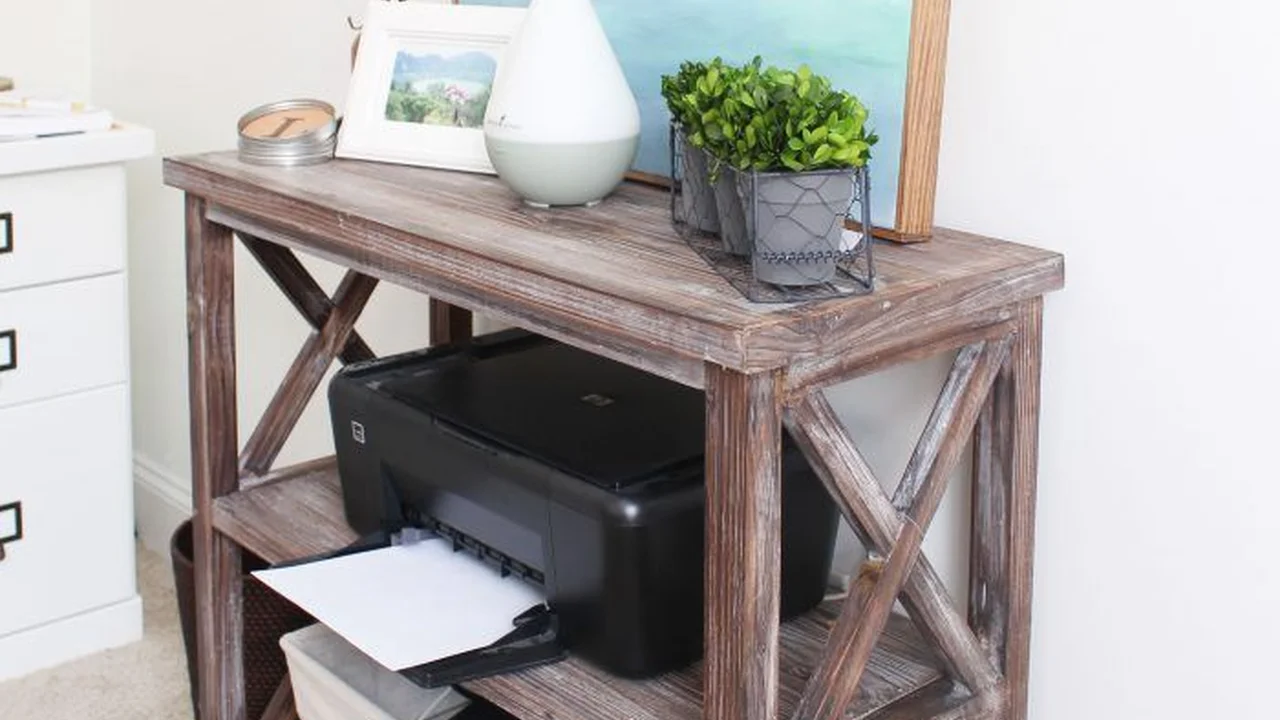
Follow these 4 simple steps to effectively declutter your home and create a more organized living space.
How to Declutter Your Home 4 Simple Steps
Living in a cluttered space can feel overwhelming, impacting your mental well-being and productivity. A disorganized home often leads to stress, wasted time searching for items, and a general feeling of chaos. But what if I told you that achieving a serene, organized living environment is not only possible but also surprisingly straightforward? It’s not about becoming a minimalist overnight, but rather about creating systems that work for you and your lifestyle. This comprehensive guide will walk you through four simple yet powerful steps to declutter your home, offering practical advice, product recommendations, and real-world comparisons to help you transform your space.
We’ll delve into the psychology behind clutter, explore effective strategies for different areas of your home, and even touch upon how to maintain your newly organized sanctuary. Whether you’re tackling a single drawer or an entire house, these principles are universally applicable. Get ready to reclaim your space, reduce stress, and enjoy a more harmonious home life.
Step 1 The Purge Understanding What to Keep and What to Let Go
The first and often most challenging step in decluttering is the purge. This involves going through your belongings and making conscious decisions about what truly serves you and what can be released. It’s more than just throwing things away; it’s about understanding the value and utility of each item in your life. Many people struggle with this stage due to sentimental attachments, the 'what if I need it later' mentality, or simply feeling overwhelmed by the sheer volume of their possessions.
The KonMari Method A Popular Approach to Decluttering
One of the most well-known and effective methods for purging is the KonMari Method, popularized by Marie Kondo. Her philosophy centers around asking one simple question: 'Does this spark joy?' While it might sound whimsical, this question encourages you to connect with your items on an emotional level, helping you identify what truly brings positivity into your life. Instead of focusing on what to get rid of, you focus on what to keep.
The KonMari Method suggests decluttering by category, not by location. This means gathering all items of a particular category (e.g., all clothes, all books, all papers) from every corner of your home and putting them in one place. This visual impact often highlights just how much you own, making the decision-making process clearer.
Clothes Decluttering Your Wardrobe for Clarity
Start with clothes. Take every single piece of clothing you own and pile it on your bed. Pick up each item, one by one, and ask yourself: 'Does this spark joy?' If it does, keep it. If not, thank it for its service and place it in a 'donate,' 'sell,' or 'discard' pile. Be honest with yourself. Consider items you haven't worn in a year, ill-fitting clothes, or items that no longer reflect your style. For items you decide to keep, consider how you store them. Vertical folding, as advocated by Kondo, can save significant space and make items more visible.
Books Curating Your Personal Library
Next, move to books. Gather all your books. For many, books hold sentimental value, but a cluttered bookshelf can be just as stressful as a cluttered closet. Ask the 'spark joy' question. Do you truly intend to reread it? Does it serve as a valuable reference? Or is it simply taking up space? Consider donating books to local libraries, schools, or second-hand shops. For those you keep, consider digital alternatives for future reads to prevent re-accumulation.
Papers Taming the Paper Tiger
Papers are often a major source of clutter. Bills, statements, old receipts, manuals – they pile up quickly. The key here is to go digital whenever possible. Scan important documents and save them to cloud storage (like Google Drive, Dropbox, or OneDrive). For physical papers you must keep (e.g., birth certificates, deeds), create a simple, organized filing system. A basic accordion file or a small filing cabinet with clearly labeled folders can make a huge difference. Aim for a 'one-touch' rule: handle paper once, then file, scan, or discard.
Komono Miscellaneous Items and Sentimental Objects
Komono refers to miscellaneous items – kitchenware, tools, electronics, toiletries, and more. This category is vast and can be the most challenging. Tackle one sub-category at a time. For kitchen items, consider how often you use each utensil or appliance. Do you really need three spatulas? For sentimental items, it’s okay to keep some, but be selective. Perhaps create a dedicated 'memory box' for truly cherished items, rather than letting them scatter throughout your home. Digitalizing old photos is another great way to preserve memories without physical clutter.
Step 2 Categorize and Contain Creating Order with Smart Storage Solutions
Once you’ve purged, the next step is to categorize your remaining items and find appropriate homes for them. This is where smart storage solutions come into play. The goal isn't to buy more storage to hide clutter, but to use storage strategically to organize the items you’ve decided to keep. Effective categorization makes it easy to find what you need and, more importantly, to put things back where they belong.
Storage Solutions for Every Room Maximizing Space and Functionality
Different rooms have different storage needs. Tailoring your solutions to the specific function of each space is crucial for long-term organization.
Kitchen Storage Solutions for Culinary Efficiency
The kitchen is often the heart of the home and a prime candidate for clutter. Consider these products:
- Drawer Organizers: For cutlery, utensils, and small gadgets.
- Pantry Organizers: Tiered shelves, clear containers, and lazy Susans for food items.
- Pot and Pan Organizers: Vertical racks or pull-out drawers to prevent stacking.
Product Comparison:
- OXO Good Grips POP Containers: (Approx. $10-$30 per container) Excellent for dry goods. Airtight seal keeps food fresh, stackable design saves space. Clear plastic allows for easy visibility.
- SimpleHouseware Stackable Cabinet Basket Organizer: (Approx. $20-$40) Great for under-sink storage or inside pantry cabinets. Allows for vertical organization of cleaning supplies or smaller kitchen items.
- YouCopia StoreMore Adjustable Pot & Lid Organizer: (Approx. $20-$30) Keeps pots and lids neatly separated and easily accessible, preventing noisy clatter and scratches.
Usage Scenario: Use OXO POP containers for flour, sugar, pasta, and cereals in your pantry. Install a SimpleHouseware organizer under your sink for dish soap, sponges, and cleaning sprays. Utilize the YouCopia organizer in a lower cabinet for your most frequently used pots and pans.
Bedroom Storage Solutions for Serenity and Style
Bedrooms should be sanctuaries. Clutter here can severely impact sleep and relaxation.
- Under-Bed Storage Bins: Ideal for seasonal clothing, extra linens, or rarely used items.
- Drawer Dividers: For socks, underwear, and accessories.
- Closet Organizers: Shelving units, hanging organizers, and shoe racks.
Product Comparison:
- Ziz Home Under Bed Storage Bags: (Approx. $15-$25 for a set of 2-3) Soft-sided, breathable fabric, often with clear windows for visibility. Good for protecting items from dust.
- SimpleHouseware Closet Organizer with 5 Shelves: (Approx. $15-$25) Hanging fabric shelves that attach to your closet rod, perfect for sweaters, t-shirts, or accessories.
- STORi Clear Plastic Drawer Organizers: (Approx. $10-$20 for a multi-pack) Various sizes to fit different drawer dimensions, excellent for keeping small items separated and tidy.
Usage Scenario: Store off-season clothes in Ziz Home bags under your bed. Use the SimpleHouseware hanging organizer in your closet for folded jeans and sweaters. Employ STORi drawer organizers in your dresser for neatly arranged socks and undergarments.
Living Room Storage Solutions for Function and Aesthetics
The living room is often a multi-functional space. Storage here needs to be both practical and aesthetically pleasing.
- Ottomans with Storage: Dual-purpose furniture for blankets, remotes, or magazines.
- Shelving Units: Open shelves for decorative items and closed cabinets for less attractive clutter.
- Media Consoles with Drawers/Cabinets: For electronics, DVDs, and gaming accessories.
Product Comparison:
- SONGMICS Storage Ottoman: (Approx. $40-$70) Available in various sizes and colors, sturdy enough for seating, and offers ample hidden storage.
- IKEA KALLAX Shelf Unit: (Approx. $35-$150 depending on size) Highly versatile, can be used vertically or horizontally, and compatible with various inserts (drawers, doors, baskets) for customized storage.
- VASAGLE TV Stand with Storage: (Approx. $80-$150) Often features open shelves for media devices and closed cabinets for hiding cables and other items, blending functionality with modern design.
Usage Scenario: Use a SONGMICS ottoman in front of your sofa to store throw blankets and remote controls. Place an IKEA KALLAX unit against a wall for books, decorative items, and use fabric bins for toys or magazines. A VASAGLE TV stand will neatly house your entertainment system and hide unsightly wires.
Step 3 Optimize Your Space Maximizing Efficiency and Flow
Once you’ve purged and contained, the next step is to optimize your space. This involves arranging your furniture and belongings in a way that maximizes efficiency, improves flow, and creates a sense of openness. It’s about making your home work for you, rather than against you.
Furniture Placement and Layout Enhancing Room Dynamics
Consider the layout of each room. Are pathways clear? Is furniture arranged to facilitate conversation or specific activities? Sometimes, simply rearranging furniture can make a room feel larger and more organized.
- Clear Pathways: Ensure there’s enough space to move freely between furniture pieces. Avoid blocking doorways or windows.
- Zone Creation: In open-plan spaces, create distinct zones for different activities (e.g., a reading nook, a dining area, a work-from-home corner) using rugs, furniture arrangement, or even subtle room dividers.
- Vertical Space Utilization: Look up! Walls offer valuable storage. Install floating shelves, tall bookcases, or wall-mounted organizers to free up floor space.
The Power of Empty Space Embracing Negative Space
Don't feel the need to fill every corner. Empty space, also known as negative space, is crucial for a decluttered aesthetic. It allows the eye to rest and prevents a room from feeling cramped or overwhelming. A few well-chosen pieces of decor can have a greater impact than many small, cluttered items.
- Rule of Three: When decorating, group items in odd numbers (e.g., three candles, five books). This often creates a more visually appealing arrangement.
- Surface Clearing: Aim to keep flat surfaces (countertops, coffee tables, nightstands) as clear as possible. Only display items that are truly decorative or frequently used.
- Strategic Lighting: Good lighting can make a space feel more open and inviting. Utilize natural light as much as possible, and supplement with lamps to brighten darker corners.
Step 4 Maintain and Refine Sustaining Your Organized Home
Decluttering isn't a one-time event; it's an ongoing process. The final and perhaps most crucial step is to establish habits that help you maintain your organized home and refine your systems over time. Without consistent effort, clutter can quickly creep back in.
Daily Habits for a Clutter-Free Life Simple Routines
Incorporate small, daily habits into your routine to prevent clutter from accumulating:
- The 10-Minute Tidy: Spend 10 minutes each day (or evening) putting things back in their designated homes. This prevents small messes from becoming overwhelming.
- One In One Out Rule: When you buy something new, commit to getting rid of something similar. For example, if you buy a new shirt, donate an old one. This prevents over-accumulation.
- Mail Management: Deal with mail immediately. Sort into 'action,' 'file,' or 'recycle' piles. Don't let it pile up on your counter.
- Kitchen Reset: After every meal, clean up dishes, wipe down counters, and put away ingredients. Waking up to a clean kitchen sets a positive tone for the day.
Regular Reviews and Adjustments Adapting to Your Needs
Your life changes, and so do your needs. What worked for your home last year might not work today. Schedule regular (e.g., quarterly or bi-annual) decluttering check-ins. This is a lighter version of the initial purge, where you reassess your belongings and systems.
- Seasonal Decluttering: As seasons change, go through seasonal items (clothing, decorations, outdoor gear). Store what you won't need and donate what you no longer use.
- Digital Decluttering: Don't forget your digital life! Organize computer files, delete old emails, and unsubscribe from unwanted newsletters. A cluttered digital space can be just as stressful as a physical one.
- Reassess Storage Solutions: Are your current storage solutions still working effectively? Do you need more bins, fewer shelves, or a different type of organizer? Be flexible and willing to adjust.
By consistently applying these four simple steps – purge, categorize and contain, optimize, and maintain – you can transform your home into a calm, organized, and functional space. It’s a journey, not a destination, and every small step you take contributes to a more peaceful and enjoyable living environment. Embrace the process, celebrate your progress, and enjoy the newfound clarity and serenity that comes with a decluttered home.
AI-Assisted Content Disclaimer
This article was created with AI assistance and reviewed by a human for accuracy and clarity.